How to Choose the Right Vicat Testing Machine: A Lab Manager’s Buying Guide
Looking for the best Vicat testing machine for your lab? Discover key selection criteria, standard compliance (ISO 306/ASTM D1525), automation levels, and ROI tips in our expert buying guide.
Environmental Test Chamber Climate Test Chamber Salt Spray Test Chamber UV Aging Test Chamber Thermal Shock Test Chamber Dust Test Chamber Rain Test Chamber Boiling Test Chamber Dry Dehumidification Cabinet Xenon Test Chamber Universal Tensile Test Equipment Single Column Series Double Column Series Fixtures Drying Oven 200℃ Oven 300℃ Oven 400℃ Oven 500℃ Oven Vacuum Oven 27L Vacuum Oven 64L Vacuum Oven 125L Vacuum Oven 216L Vacuum Oven 512L Vacuum Oven 729L Vacuum Oven 1000L Vacuum Oven Two-box Vacuum Oven Three-box Vacuum Oven Vibration Shaker Table System Simulated Transportation Vibration Table Vertical Vibration Table Vertical Horizontal Vibration Table XYZ Three Axis Vibration Table Rubber And Plastic Test Equipment VICAT Tester Melt Flow Index Tester Flammability Test Equipment Charpy & Izod Impact Tester Paper Packaging Test Equipment Edge And Ring Crush Tester Drop Tester Carton Compression Tester Bursting Strength Tester Battery Test Equipment Videos About Us Our Partners & Clients Certifications & Honors Factory & Gallery Why Choose HAOEN Company Profile News Company News Industry News Contact 🇺🇸 English 🇫🇷 Français 🇩🇪 Deutsch 🇪🇸 Español .ml-sw{font-family:inherit;font-size:14px;line-height:1.5}.ml-dropdown{position:relative;display:inline-block;z-index:999}.ml-dd-trigger{display:flex;align-items:center;gap:6px;cursor:pointer;padding:4px 10px;border-radius:var(--ml-radius);color:var(--ml-text);transition:background .2s}.ml-dd-trigger:hover{background:rgba(0,0,0,.05)}.ml-dd-flag{font-size:18px}.ml-dd-icon{vertical-align:middle}.ml-dd-arrow{border:4px solid transparent;border-top:5px solid currentColor;margin-top:2px;transition:transform .2s}.ml-dropdown.open .ml-dd-arrow{transform:rotate(180deg)}.ml-dd-panel{display:none;position:absolute;top:100%;left:0;min-width:100%;width:max-content;background:var(--ml-bg);border-radius:var(--ml-radius);box-shadow:0 4px 16px rgba(0,0,0,.12);padding:4px 0;margin-top:4px}.ml-dropdown.open .ml-dd-panel{display:block}.ml-dd-item{display:flex;align-items:center;gap:8px;padding:8px 14px;color:var(--ml-text);text-decoration:none;transition:background .15s;white-space:nowrap}.ml-dd-item:hover{background:rgba(0,0,0,.04)}.ml-dd-item.active{color:var(--ml-primary);font-weight:500}.ml-dd-chk{margin-left:auto;font-size:12px}.ml-pills{display:flex;flex-wrap:nowrap;gap:6px;white-space:nowrap}.ml-pill{display:inline-flex;align-items:center;gap:4px;padding:4px 12px;border-radius:var(--ml-radius);background:var(--ml-bg);color:var(--ml-text);text-decoration:none;border:1px solid rgba(0,0,0,.1);transition:all .2s;font-size:13px;white-space:nowrap}.ml-pill:hover{border-color:var(--ml-primary);color:var(--ml-primary)}.ml-pill.active{background:var(--ml-primary);color:#fff;border-color:var(--ml-primary)}.ml-pill-flag{font-size:16px}.ml-bar{display:flex;gap:0;border-bottom:2px solid rgba(0,0,0,.06);white-space:nowrap}.ml-bar-item{display:inline-flex;align-items:center;gap:4px;padding:6px 14px;color:var(--ml-text);text-decoration:none;border-bottom:2px solid transparent;margin-bottom:-2px;transition:all .2s;font-size:13px;white-space:nowrap}.ml-bar-item:hover{color:var(--ml-primary)}.ml-bar-item.active{color:var(--ml-primary);border-bottom-color:var(--ml-primary);font-weight:500}.ml-bar-flag{font-size:16px}.ml-float{position:fixed;right:20px;bottom:20px;z-index:9999}.ml-float-btn{width:48px;height:48px;border-radius:50%;background:var(--ml-primary);color:#fff;border:none;cursor:pointer;box-shadow:0 4px 12px rgba(0,0,0,.2);transition:transform .2s;display:flex;align-items:center;justify-content:center;padding:0;line-height:1}.ml-float-btn:hover{transform:scale(1.1)}.ml-float-btn svg{width:24px;height:24px;display:block}.ml-float-panel{display:none;position:absolute;bottom:56px;right:0;min-width:160px;background:var(--ml-bg);border-radius:var(--ml-radius);box-shadow:0 4px 16px rgba(0,0,0,.12);padding:4px 0}.ml-float.open .ml-float-panel{display:block}.ml-float-item{display:flex;align-items:center;gap:8px;padding:8px 14px;color:var(--ml-text);text-decoration:none;transition:background .15s}.ml-float-item:hover{background:rgba(0,0,0,.04)}.ml-float-item.active{color:var(--ml-primary);font-weight:500}.ml-float-flag{font-size:18px} function mlSwToggle(){var e=document.getElementById("mlSw");if(e)e.classList.toggle("open")}document.addEventListener("click",function(e){var s=document.getElementById("mlSw");if(s&&!s.contains(e.target))s.classList.remove("open")}); News & Updates Stay informed with the latest industry news and company updates
1. Understand Your Application: Polymers vs. Cementitious Materials
News Industry News Industry News How to Choose the Right Vicat Testing Machine: A Lab Manager’s Buying Guide 2026-08-28 Industry News 1 views Thermal characterization forms the backbone of quality control for polymer and construction testing laboratories. When materials face heat under mechanical load, their dimensional stability dictates whether a product succeeds or fails in service.
Lab managers often encounter significant bottlenecks during heat deflection and softening point tests. Inconsistent bath temperatures, manual recording errors, and complex standard compliance audits can reduce testing throughput and inflate labor costs.
2. International Standards & Compliance Checklist
Investing in an advanced vicat testing machine resolves these operational challenges. Modern instruments manufactured by established instrumentation providers like HAOEN ensure tight temperature control, repeatable test curves, and seamless compliance across international testing standards.
This buying guide walks you through application requirements, technical criteria, standard compliance checklists, and total cost of ownership factors to help you make an informed capital equipment purchase.
3. Key Technical Factors to Evaluate
The term "Vicat test" applies to two distinct testing domains. Clarifying your testing substrate is the primary step before evaluating equipment hardware.
4. Total Cost of Ownership (TCO): Beyond the Initial Price Tag
Cement and Building Materials: In construction laboratories, a cement Vicat apparatus measures the initial and final setting times of hydraulic cement paste. The needle dimensions and displacement profiles differ significantly from polymer testing equipment.
5. Decision Matrix: How to Choose the Right Model
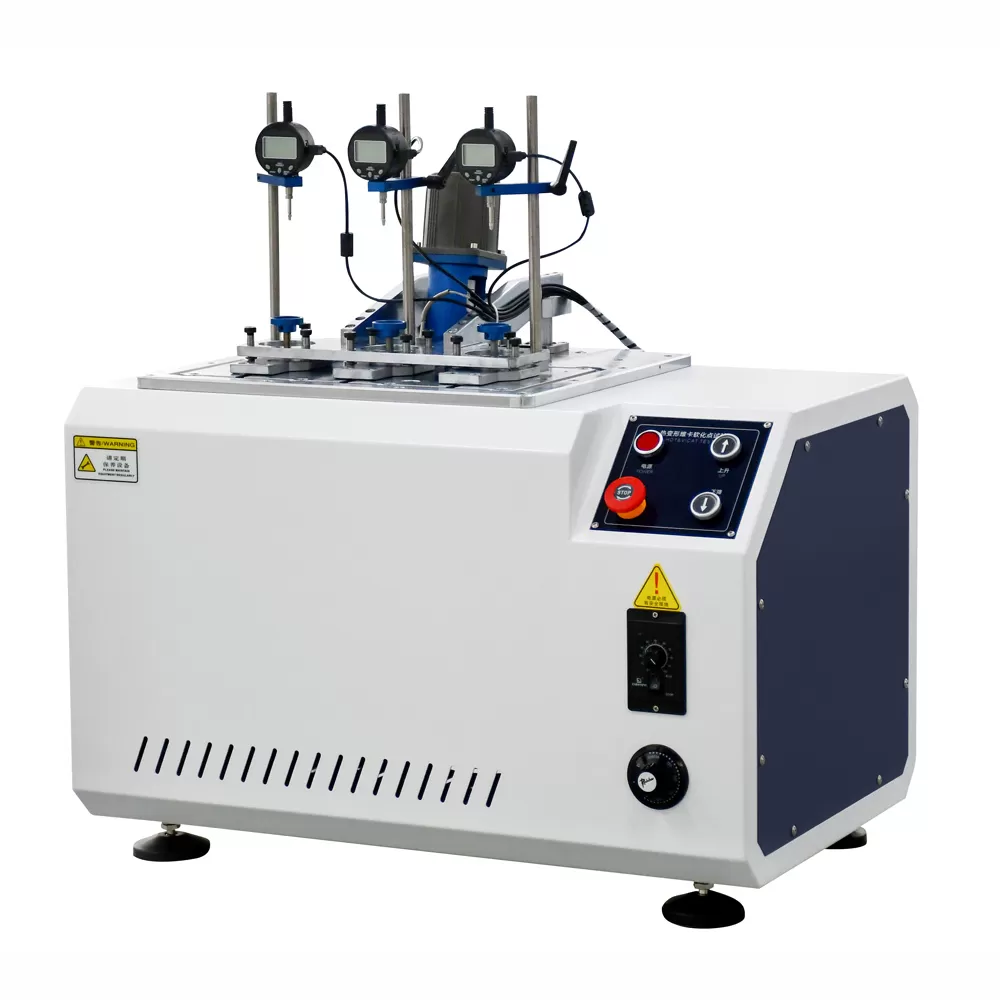
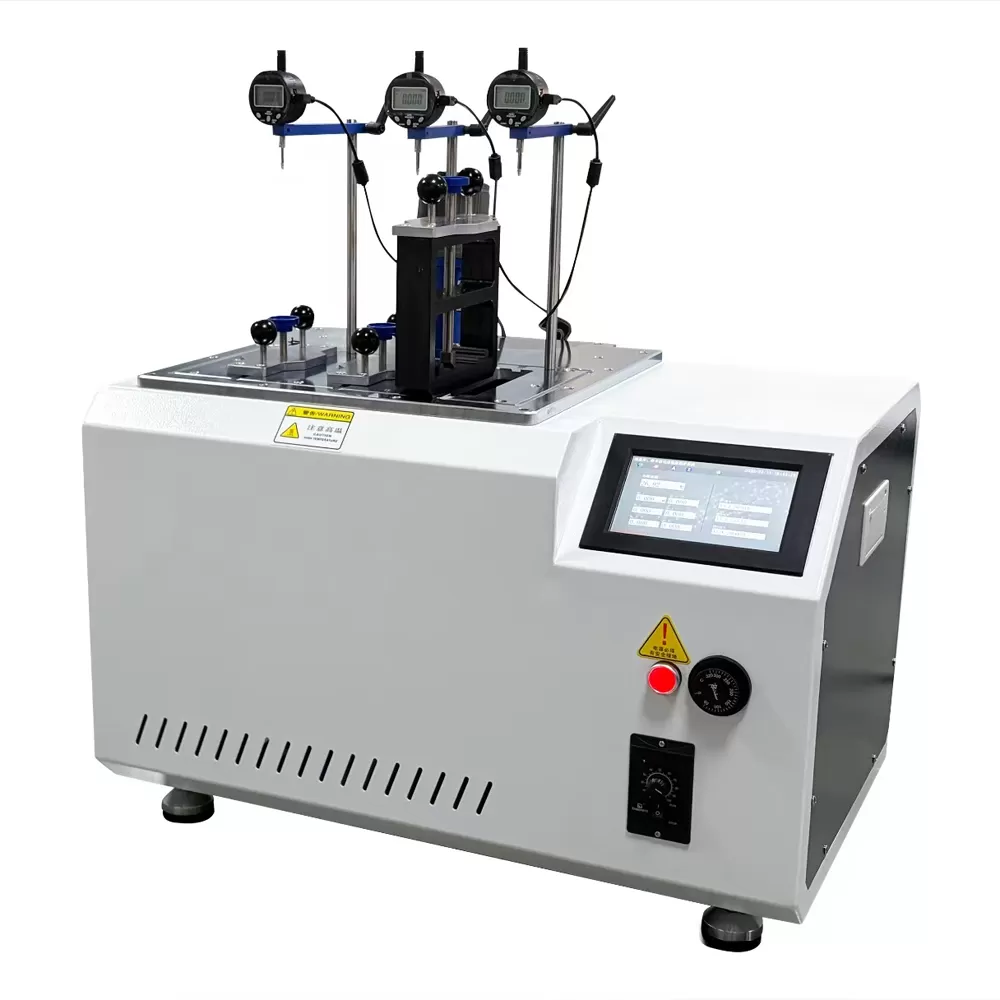
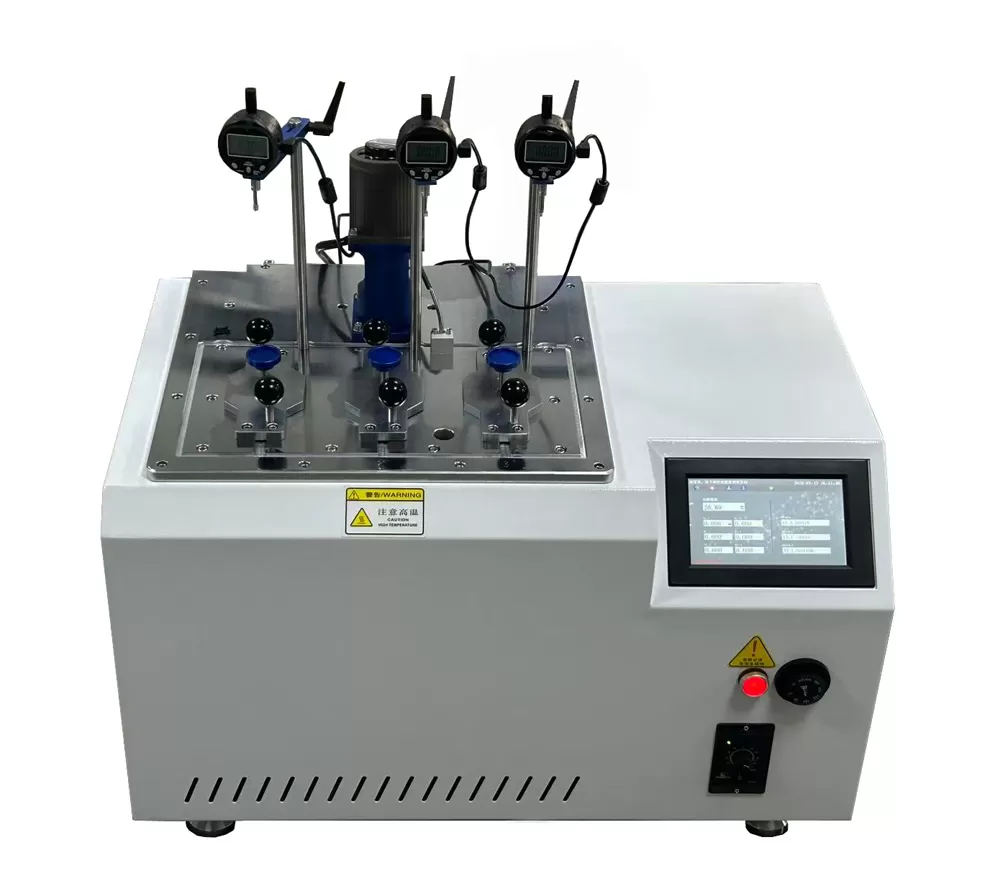
For plastics testing, most modern laboratories prefer a dual-purpose HDT Vicat tester . These combination units allow technicians to switch between Vicat penetration tests and HDT three-point bending tests simply by swapping the indenter tips and adjusting the specimen supports.
6. Frequently Asked Questions (FAQ)
Your testing equipment must adhere strictly to the testing methods mandated by your clients, regulatory bodies, and industry frameworks. Ensure your candidate machine supports the following protocols:
Key considerations for laboratory teams
ISO 306 & ASTM D1525: Standard test methods for Vicat softening temperature of thermoplastics. Key test variations include Method A (10 N load) and Method B (50 N load), combined with heating rates of 50°C/h (Rate 50) or 120°C/h (Rate 120).
ISO 75 & ASTM D648: Determination of temperature of deflection under load (HDT) using standard flexural stresses of 0.45 MPa (Method B) or 1.80 MPa (Method A).
ASTM C191 / EN 196-3: Standard test methods for time of setting of hydraulic cement by Vicat needle.
When reviewing technical datasheets, verify the critical tolerances listed below to ensure standard compliance:
How HAOEN builds this equipment
The chamber described above is designed and manufactured in HAOEN's own plants in Dongguan, rather than assembled from purchased sub-assemblies. That distinction matters when a lab needs repeatable performance across a fleet of machines.
- Chamber geometry, airflow and insulation are engineered in-house and issued as controlled drawings
- Steel is cut, bent and welded on our own line, with stress relief and surface treatment between stages
- Refrigeration, electrical cabinets and sensor harnesses are installed and wired by our own technicians
- Each unit runs a full commissioning cycle with logged test data before the QC file is signed
- Export crating, anti-rust treatment and the complete document set are prepared in-house
Because engineering, production and calibration sit under the same roof, specification changes during a project are absorbed by the factory rather than passed between suppliers. Standard units follow the same route, which is why a catalogue model and a custom-built chamber carry the same documentation discipline.