Interpreting Environmental Test Failures: A Diagnostic Approach
A failed test is an ambiguous result. It can indicate a genuine design weakness, a manufacturing defect, an artefact of the test setup, or a problem with the equipment. The diagnostic sequence determines which, and getting it wrong sends the investigation in the wrong direction f
A failed test is an ambiguous result. It can indicate a genuine design weakness, a manufacturing defect, an artefact of the test setup, or a problem with the equipment. The diagnostic sequence determines which, and getting it wrong sends the investigation in the wrong direction for weeks.
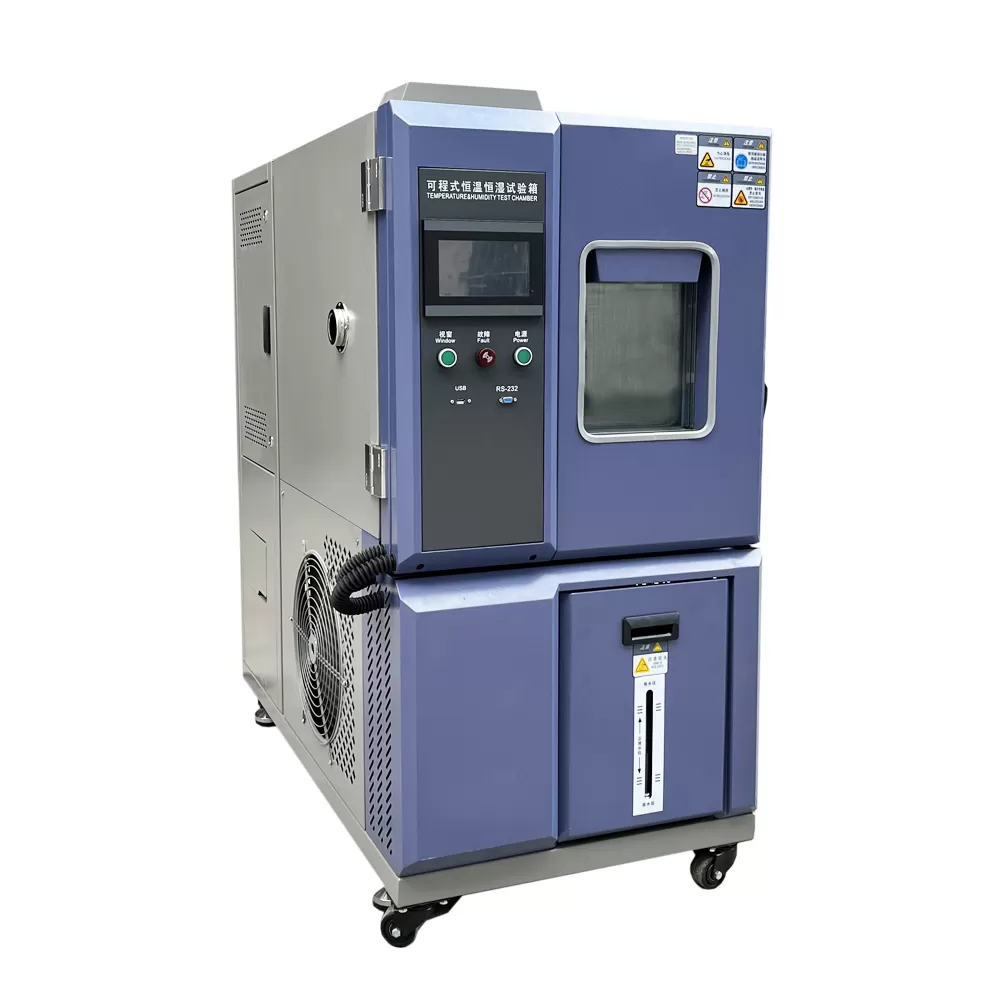
Applying that to a real purchase is easier when the equipment comes from a supplier that builds rather than assembles. 150L Climate Test Chamber is a typical example of a machine where the specification sheet is only half the story, because the fabrication and commissioning route determines how the numbers behave in service.
What to verify before you specify
1. Reproduce before diagnosing
A failure that cannot be reproduced is usually a test artefact or a marginal condition. The first question is whether it repeats with the same sample under the same conditions.
2. Change one variable at a time
Fixtures, sample orientation, ramping and chamber loading all affect the result. Adjusting several at once produces a result that cannot be attributed.
3. Test a known-good reference
A control specimen that has passed before tells you whether the chamber is behaving. Without a control, a suspected equipment problem and a genuine product failure look identical.
4. Inspect before you analyse
Cracks, corrosion, delamination and deformation are often visible before any measurement is made, and the pattern of where the damage is tells you where to look next.
5. Distinguish transient from permanent damage
A failure that recovers after conditioning is a different problem from one that does not, and the two have completely different root causes.
6. Document the investigation, not just the conclusion
The reasoning chain is what allows the next engineer to pick the work up, and it is what an audit will ask for when the resolution is contested.
Mistakes that show up in the acceptance report
- Changing several test parameters at once and concluding the original failure was spurious.
- Investigating without running a control specimen.
- Discarding a failed sample before inspecting it.
- Closing the investigation with a conclusion but no reasoning record.
The cost of a machine that arrives and has to be corrected
Most delays attributed to supply chains are actually attributable to a mismatch that was cheap to fix and expensive to fix late.
A chamber that is specified around a footprint, a temperature range and an interface produces a buildable design. An open-ended modification request produces a negotiation that consumes weeks.
Owning the production route means a non-standard chamber size or an unusual instrumentation requirement is a scheduling question on our floor rather than a procurement cycle.
Per-unit calibration performed before packing means the acceptance discussion at the laboratory is about using the machine, not about establishing whether it ever worked.
- In-house Manufacturing: Every machine is engineered, welded, assembled and tested under one roof. Two production plants control tolerances from raw sheet steel to final calibration.
- OEM & ODM Engineering: Drawings, PLC logic, instrumentation and chamber geometry are developed in-house, so non-standard chamber sizes and test profiles ship without external dependencies.
- Full In-House Calibration: Temperature, humidity, pressure and load cells are calibrated on our own accredited benches before shipment, with certificates issued per unit.
- QC at Every Stage: IQC, IPQC and OQC gates sit between material intake, welding, assembly and dispatch. Nothing leaves the line without a signed inspection record.
How the equipment is produced
The production route below is the one every HAOEN machine follows. It is listed because the steps a manufacturer controls are the steps that determine whether your laboratory receives a machine that performs as specified on the day it is commissioned, and still performs two years later.
- Engineering Drawing — Chamber geometry, load frame, airflow and instrumentation are modelled and reviewed before any steel is cut.
- Material Intake — Sheet metal, compressors, sensors and electrical parts pass incoming inspection against incoming QC checkpoints.
- Cutting & Bending — CNC cutting and press braking form the chamber body, liner and door frame to millimetre drawings.
- Welding & Forming — TIG and robot welding seal the chamber, followed by stress relief and surface treatment.
- Assembly & Wiring — Refrigeration, electrical cabinets, sensors and control panels are installed and wired to the schematic.
- Debugging & Calibration — Commissioning runs temperature, humidity, vibration and load profiles; data is logged per unit.
- Packing & Documents — Crating, manuals, certificates and the QC file are completed and sealed for dispatch.
- Delivery & Support — Shipment tracking, on-site installation and operator training are arranged with local partners.
Equipment referenced in this guide
- 150L Climate Test Chamber — Climate Test Chamber, manufactured in-house with per-unit calibration.
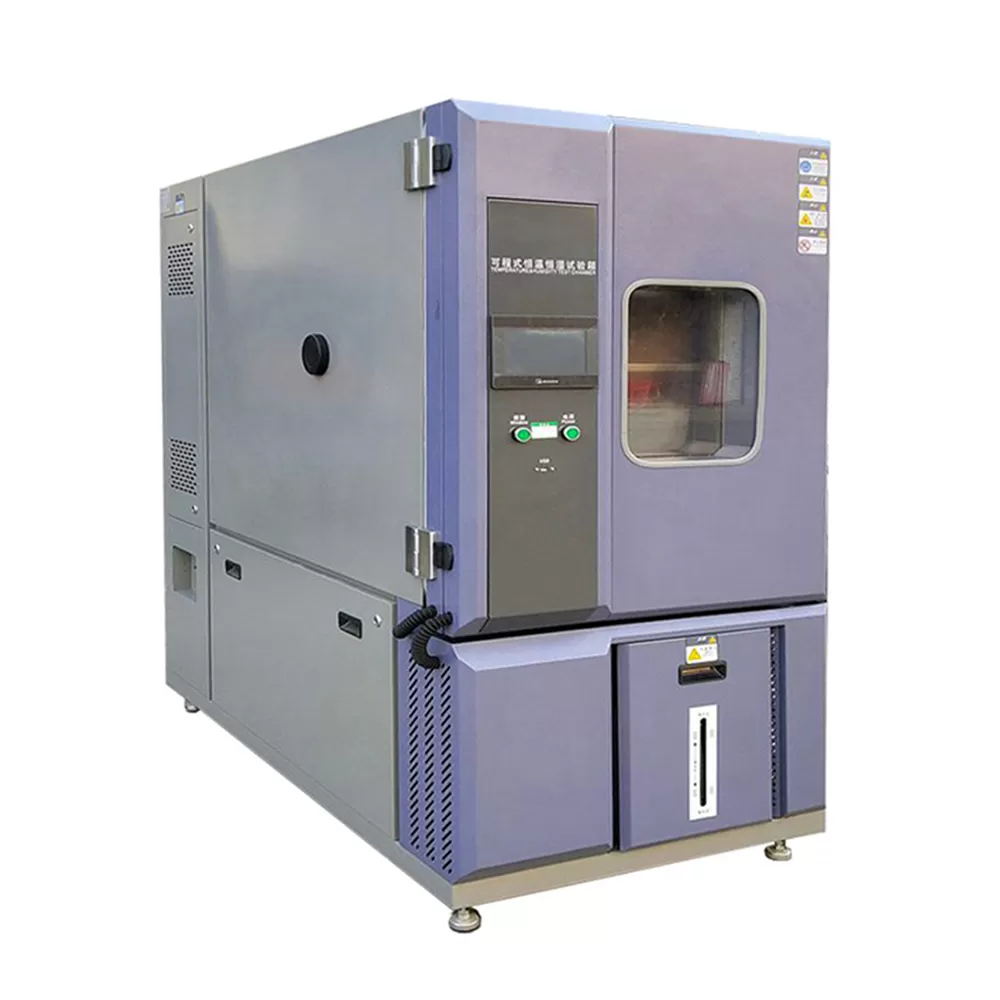
- 1000L Climate Test Chamber — Climate Test Chamber, manufactured in-house with per-unit calibration.
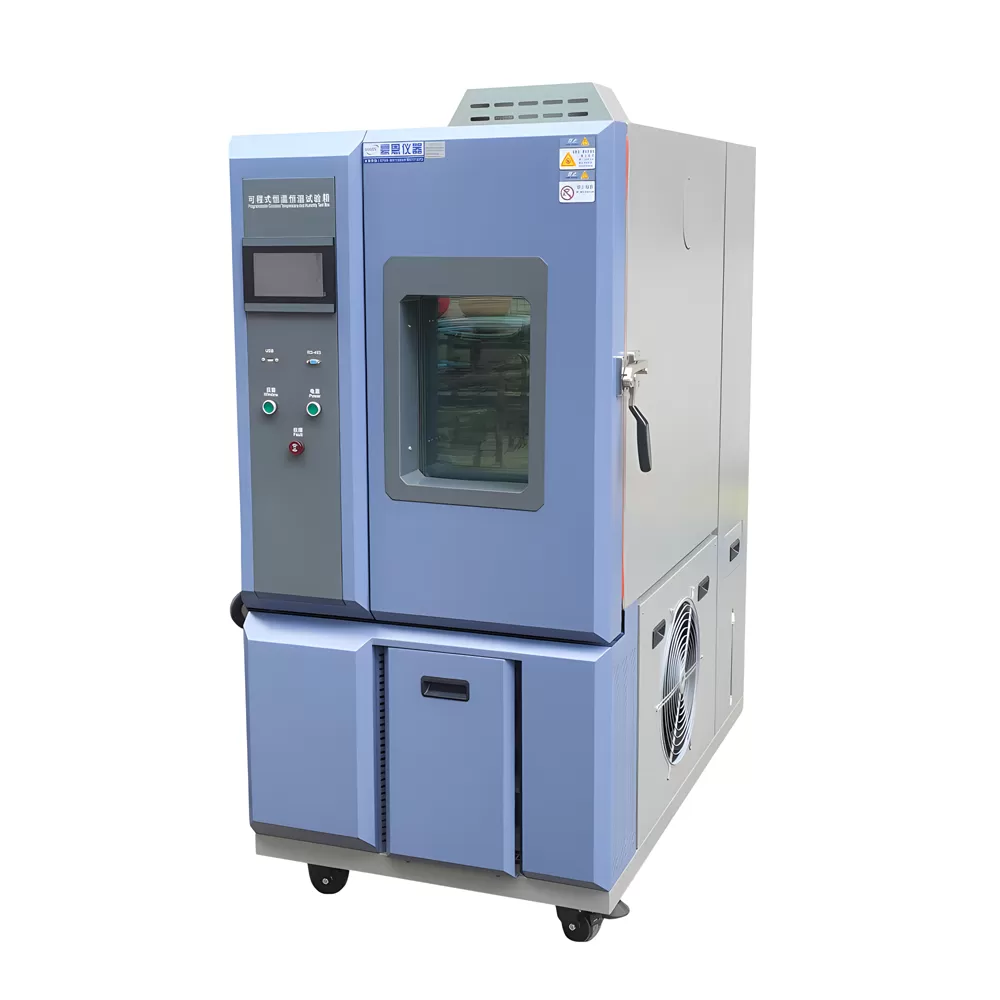
- 225L Climate Test Chamber — Climate Test Chamber, manufactured in-house with per-unit calibration.
Conclusion
Specification is where a procurement process starts, but it is not where the result is decided. The variables that separate a repeatable test from an arguable one are the ones the manufacturer controls: the geometry of the chamber, the tightness of the weld, the stability of the control loop and the discipline of the calibration bench. Those are the variables worth asking about, because they are the ones that will still be there when the instrument is three years old and a colleague asks why the new machine and the old one give different numbers on the same specimen.
If you have a specification in front of you that has a profile, a volume and a tolerance, send it over. Our engineers will respond with a configuration, a lead time and the specific items in the manufacturing route that will affect your result.